⚡ Power plugs and charging
| Topic | Japan | What to do |
|---|---|---|
| Plug type | Type A (2 flat pins) and Type B (with ground pin) | Standard flat-pin plugs fit straight in |
| Voltage | 100V (Thailand uses 220V) | Check the charger says 100–240V — if so, plug it in |
| Frequency | 50Hz in the east (Tokyo) · 60Hz in the west (Osaka) | No effect on portable devices |
- Fine to plug in — phone chargers, laptops, tablets, cameras, power banks, electric shavers
- Watch out for — hair dryers, straighteners, kettles and small rice cookers rated 220V only: they will run weak or break (nearly every Japanese hotel provides a dryer, so leave yours at home)
- Three-pin earthed plugs won’t fit Japanese sockets — bring an adapter or a slim extension lead
- Japanese hotels have few sockets business hotels and capsules especially — a multi-port USB charger helps a lot
- Power banks must go in your carry-on only never in checked luggage, and many airlines ban using or charging them in flight
💴 Money — how much to bring, where to change it
How much do you still need cash?
Japan has become far more card-friendly in recent years, but plenty of places are stillcash only so plan for it
| Cards/IC cards fine | Cash still needed |
|---|---|
| Malls, chain stores, convenience stores · city trains and buses · hotels · chain restaurants · newer vending machines | Small back-street shops, old ramen counters · morning markets · shrines and temples (entry, fortune slips) · older lockers · some local buses · rural shops |
💡 A simple rule
Carry about ¥5,000–8,000 per person per day pay for the rest by card, then top up at a 7-Eleven ATM
or Japan Post, which take almost any foreign card and have English menus
Change money at home or in Japan?
- Rates at home are usually better especially at exchange shops in competitive areas. Compare rates online before you walk in.
- Avoid airport exchange counters if you can — their rates are usually the worst in either country
- Foreign debit/credit cards are convenient but carry a currency conversion fee of roughly 1–2.5% per transaction — a card designed for travel costs less.
- When the card machine asks whether to charge in your home currency or yen, always choose yen. Letting the shop convert for you (DCC) gives a worse rate almost every time.
- No tipping in restaurants, taxis or hotels — in some places it’s even considered rude
To see what this trip really costs, try the trip budget calculator which pulls live exchange rates every time
IC cards — get one on day one
- Suica / ICOCA / PASMO They work across almost all regions: buy one card and use it nationwide
- Use them on trains, buses, at convenience stores, vending machines and lockers — tap to pay, no counting coins
- Add Suica to Apple Wallet or Google Wallet and top up from your phone, no queueing at a machine
- ¥1, ¥5 and ¥10 coins pile up fast if you pay cash — an IC card largely solves that
🎌 Etiquette visitors get wrong most
On trains and in public
- No phone calls on trains Set it to silent (manner mode) and take calls only on the platform or off the train
- Keep your voice down — packed carriages are often quiet enough to hear people breathe
- Queue along the lines marked on the floor, and let everyone off before you board
- Take a big backpack off and hold it in front, or put it on the overhead rack
- Leave priority seats free, and on some trains you’re asked to switch phones off nearby
- Escalators — stand on the left in Tokyo, on the right in Osaka (though many stations now ask people to stand on both sides and not walk)
Rubbish
- Bins are very hard to find carry a small bag for your rubbish until you find a bin or get back to the hotel
- Where bins usually are: outside convenience stores, beside vending machines, in stations and food courts
- Japan sorts rubbish carefully — burnable / plastic bottles / cans / glass. Check the pictures on the bin first.
- Don’t eat or drink while walking buy from a vending machine, drink it standing there, and bin the empty beside the machine
Restaurants
- Wait to be seated; don’t pick your own table
- Never stand chopsticks upright in rice and never pass food chopstick to chopstick — both are funeral rites
- Slurping noodles in a ramen or soba shop is fine, but chewing noisily is not
- The hot towel (oshibori) is for your hands only — not your face or the table
- Many bars charge aseating fee (otoshi) with a small appetiser you didn’t order — that’s normal, not a scam
- Many small placesdon’t allow sharing one dish and some ban photos — check the sign out front
Onsen and accommodation
- Always wash and rinse thoroughly before getting in — the bath is for soaking, not for cleaning yourself
- Get in with no clothes, and keep your towel out of the water (fold it on your head or the rim)
- Tie long hair up out of the water
- Tattoos — many places still bar them, but some are tattoo friendly and private baths (kashikiri) can be booked. Check before you go.
- Take your shoes off where the floor level changes or you see tatami, and never step on tatami in bathroom slippers
Other things to know
- Smoke only in designated areas many wards fine street smoking — look for a smoking area sign
- Ask before photographing people, especially children and staff. Many shops and temples clearly ban photos.
- People queue seriously everywhere — lifts, toilets, buses
- Japan has frequent earthquakes — turn on emergency alerts on your phone and check the live cameras and disaster status before you head out each day
Frequently asked questions
Do I need a plug adapter for Japan?
Japan uses Type A two-flat-pin plugs, the same as most Thai sockets, so you can plug straight in with no adapter. The exception is gear with three round pins or a Thai-style earthed plug — bring an adapter for those.
Japan is 100 volts, Thailand 220 — do I need a transformer?
Almost all modern gear — phone chargers, laptops, cameras — already handles 100–240V (check the small print on the charger for INPUT 100-240V). Just plug it in; it may charge slightly slower. Anything rated 220V only, such as a hair dryer or some kettles, should not be plugged in: it will underperform or be damaged.
How much cash should I bring now that Japan takes cards more widely?
Big stores, malls, convenience stores and trains all take cards and IC cards. But small back-street shops, morning markets, shrines, older lockers and some local buses are still cash only. A safe rough guide is ¥5,000–8,000 per person per day in cash, and card for the rest.
Can I use an onsen with tattoos?
Many traditional public onsen still bar tattooed guests, but there are far more options now: tattoo-friendly onsen, private baths you can book (kashikiri) and ryokan with an onsen in the room. Some places let you cover a small tattoo with a sticker. Check that specific place’s rules before you go.
 Japan entry documents
Visit Japan Web + what you can’t bring in
 SIM · eSIM · insurance
Compare which one is worth it for your trip
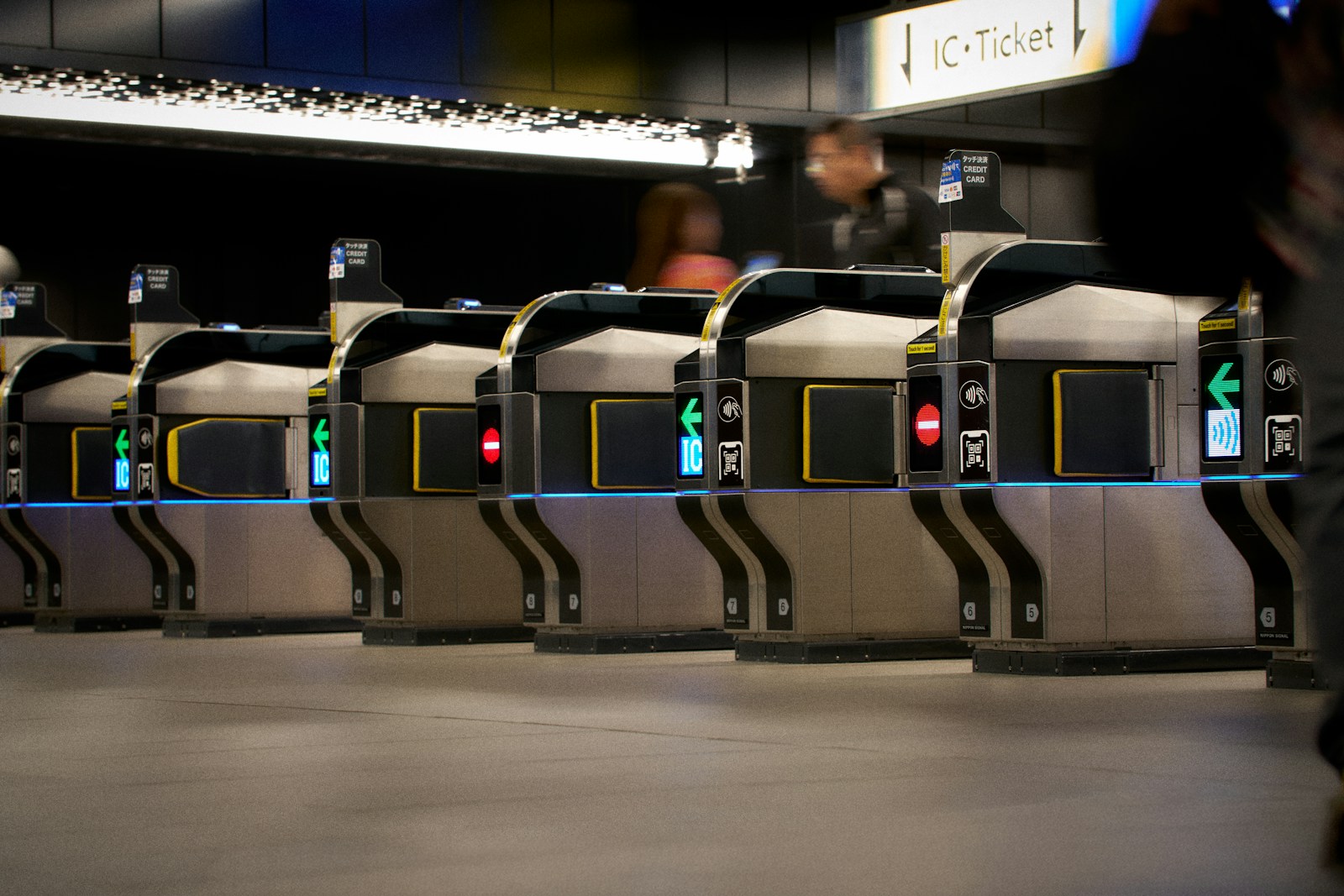 Getting around Japan
Trains, passes and popular routes
Check the latest information 17 Aug 2026 · Customs vary by region and by venue. This page covers what visitors run into most often. If you’re unsure, watch what people around you do and follow.