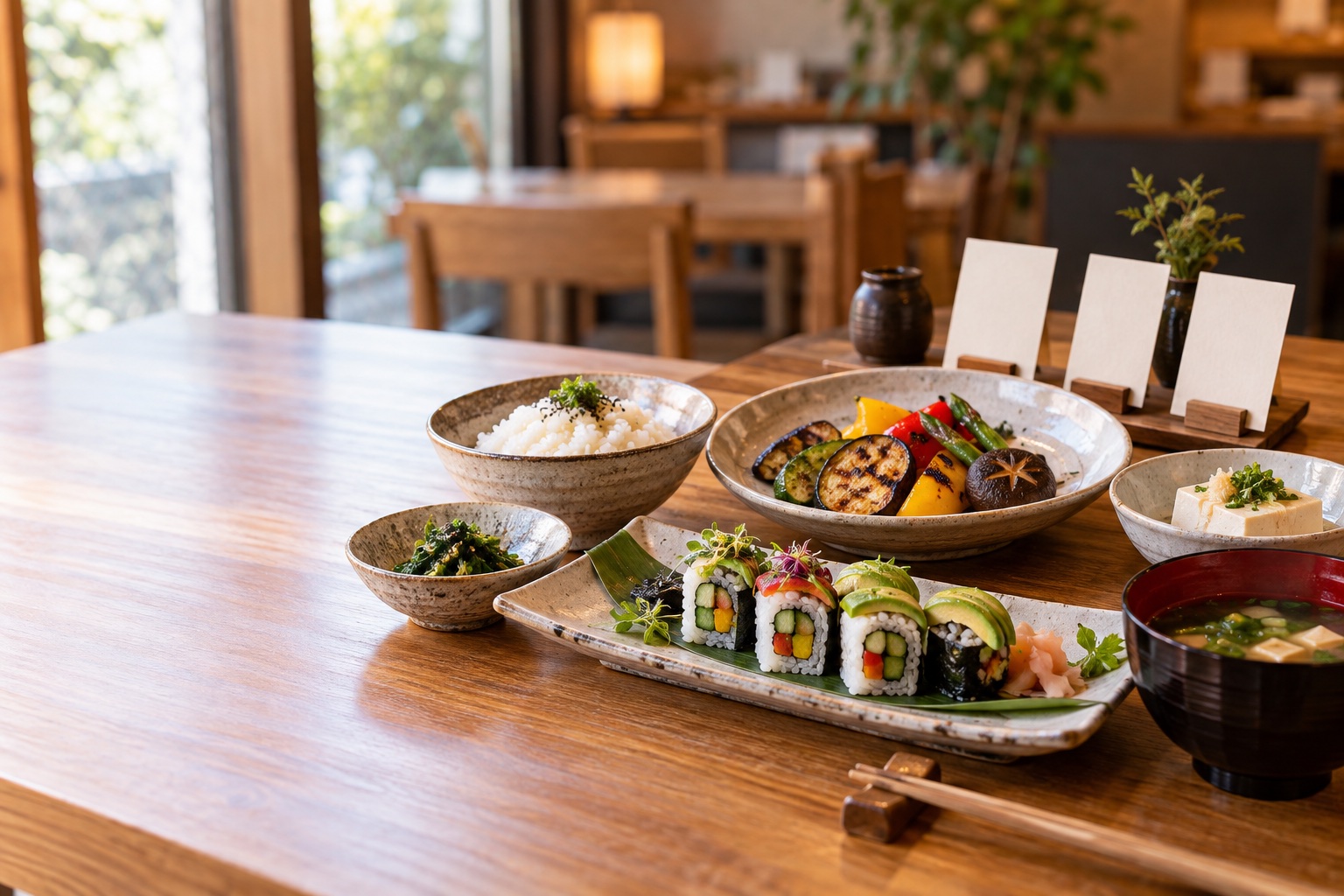
If you have a food allergy, specify the substance directly.
- Inform the restaurant before sitting or ordering. Don't wait until the food comes.
- Ask about ingredients, soup, sauce, frying oil, and contamination.
- Smaller shops may not be able to guarantee separate kitchens. Even the staff tried to help.
- In case of severe allergic reaction Carry your medicine as prescribed and know how to call 119.
This website cannot guarantee that any menu items are allergen-free.Recipes and food preparation can be changed. You must confirm with the store every time.
Vegetarians and Vegans: Beware of Unseen Ingredients
DashiThe broth may be made from dried bonito or fish.
SauceSome sauces contain meat, fish or oyster oil extracts.
ToppingDried fish, eggs, mayonnaise or gelatin may not be specified.
Halal: Asking more than just saying no pork.
- Ask if there is a certificate or just Muslim-friendly
- meat inspection Alcohol in mirin/sake seasoning and gelatin
- Ask about frying oil, utensils, and shared kitchen space according to your strict needs.
- Make reservations in advance if it's a course restaurant, ryokan, or out-of-town area.
Message to show to the shop
| Meaning | Japanese |
|---|---|
| I have a severe allergic reaction to… | 私は…に重いアレルギーがあります。 |
| Does it contain ingredients of… or not? | …は入っていますか? |
| I can't eat meat, fish, eggs, and dairy products. | 肉、魚、卵、乳製品を食べられません。 |
| Is there fish or meat broth? | 魚や肉のだしは入っていますか? |
| If I'm not sure, I won't accept this menu. | 確認できない場合は、この料理を注文しません。 |
Replace the … mark with the Japanese name of the ingredient. And don't use general statements as a substitute for professional medical advice for people with severe allergies.
Check before ordering
- Submit your restrictions to the store when booking.
- Show a Japanese card indicating what is inedible.
- Ask about soups, sauces and deep frying.
- There is a reserve shop near the accommodation.
- Carry emergency food that passes Japanese customs regulations.
Frequently asked questions
Is it enough to say that not eating meat in Japan is enough?
This may not be enough because dashi broth, sauces, and condiments may contain fish, meat, or animal products. Inedibles should be listed one by one.
The shop that says Muslim-friendly Does this mean it's Halal certified?
It does not necessarily mean it is certified. You should ask about ingredients, alcohol, kitchen, and utensils at the level you want.
What should people with food allergies carry?
Carry a Japanese allergen identification card. Personal medications as prescribed by your doctor, insurance information, and emergency plans By informing the store before ordering every time.
Planning next steps
 Japan pre-travel checklistPrepare according to the time Don't miss important things.
 5 day Japan tripTokyo or Osaka–Kyoto
 Where to Stay in TokyoCompare Ueno, Shinjuku, Asakusa.
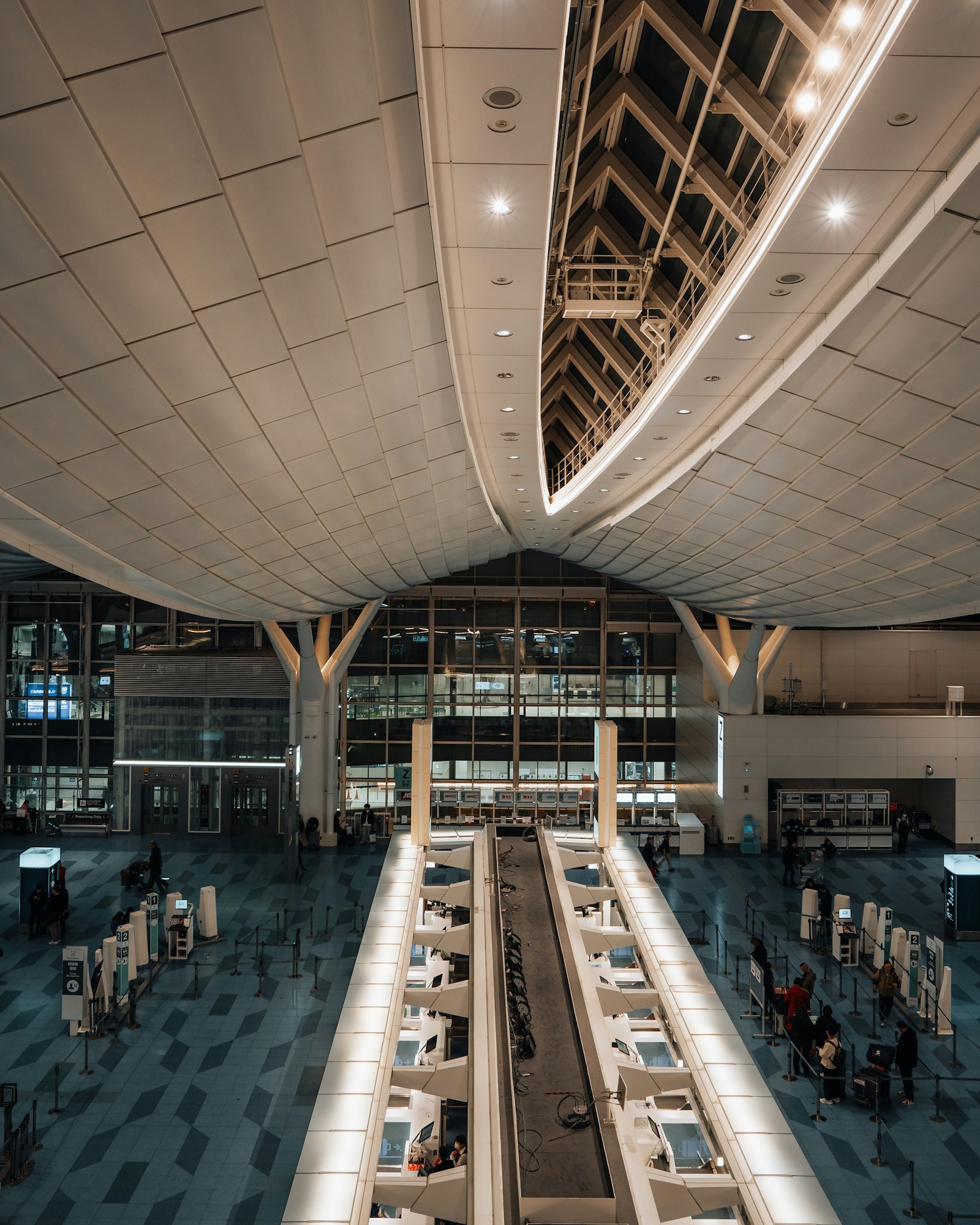 Tokyo Airport TransfersChoose from Narita and Haneda.
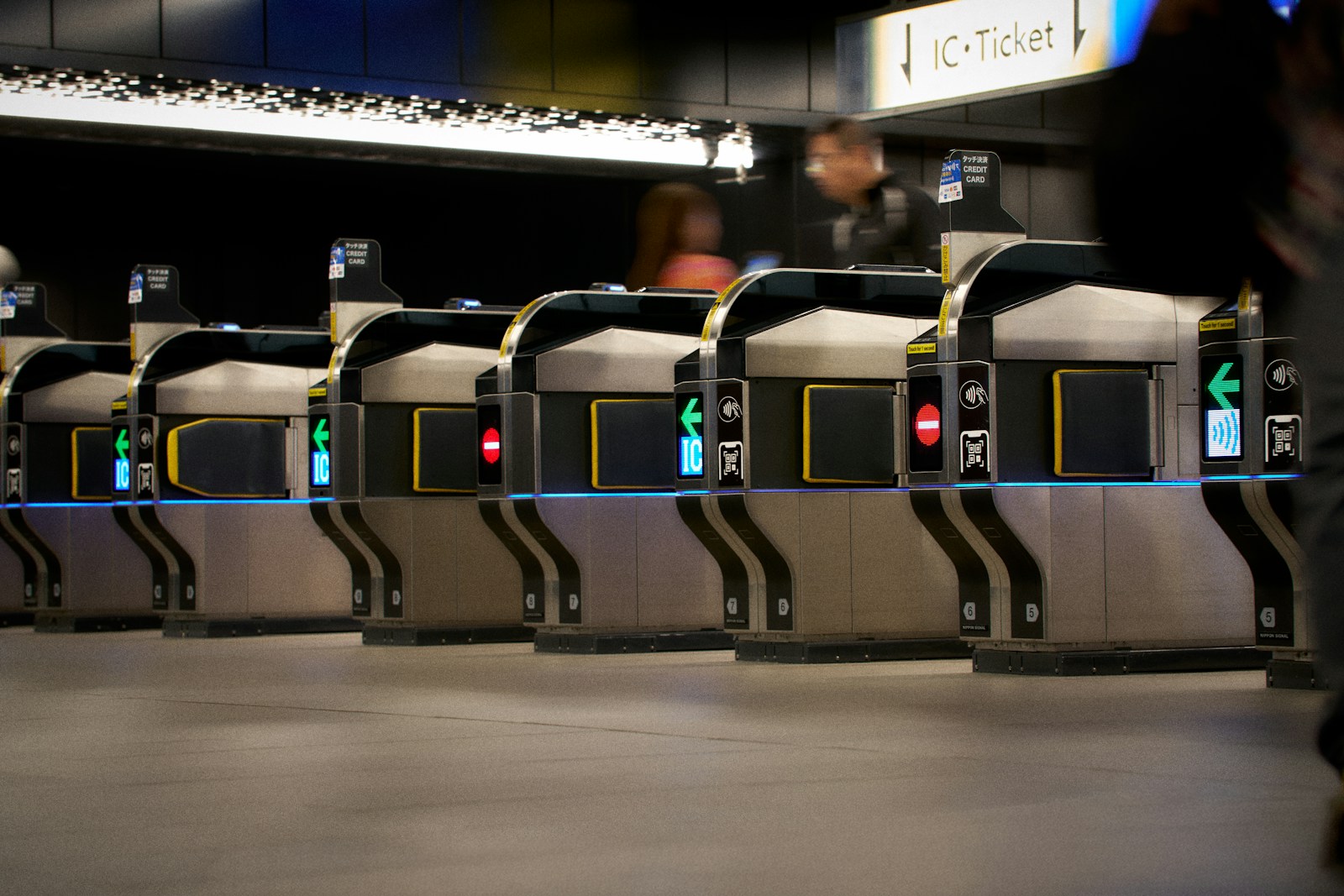 Suica · PASMO · ICOCAChoose the card and top up correctly.
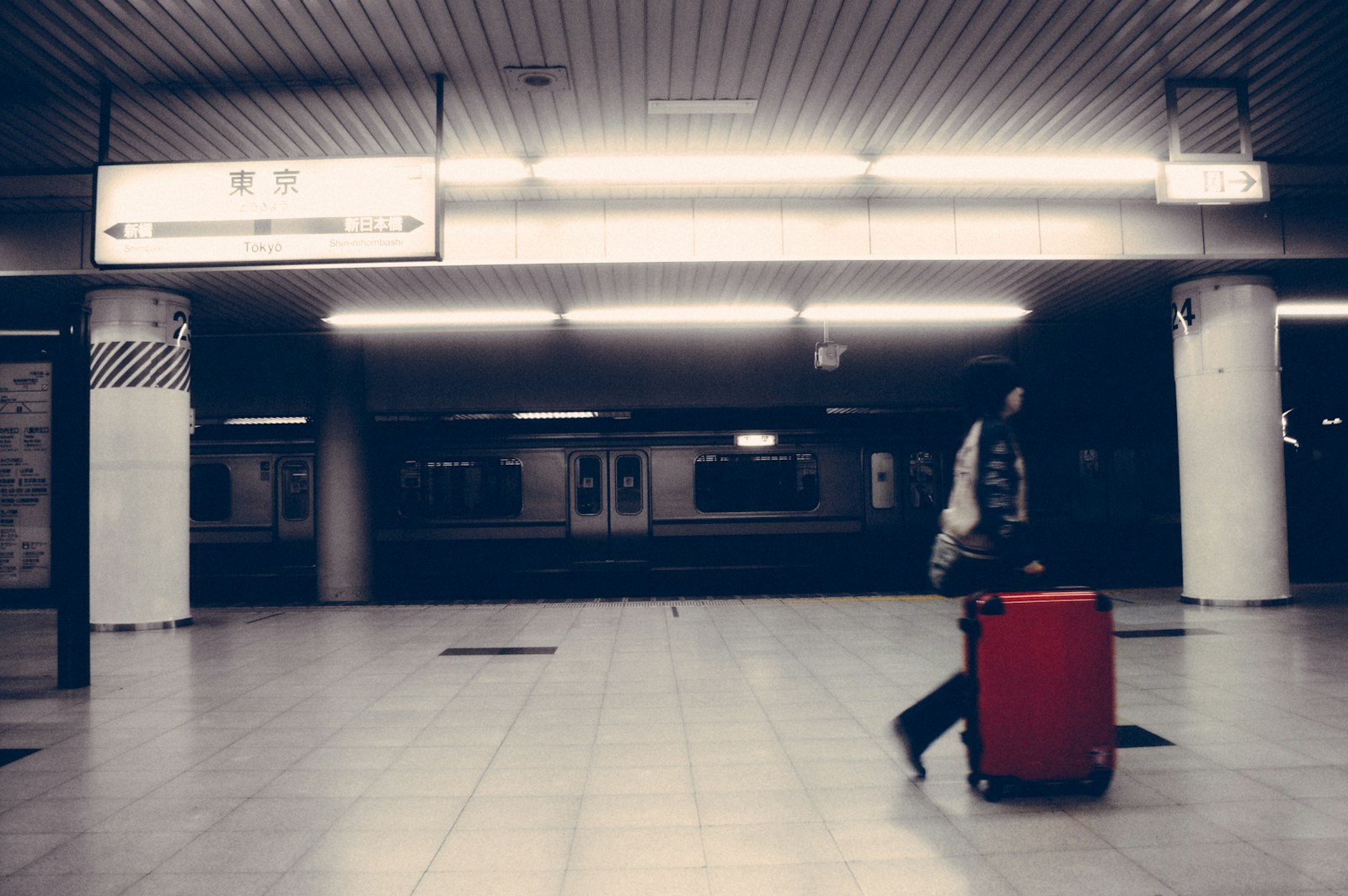 Luggage Delivery and StorageYamato lockers and Shinkansen
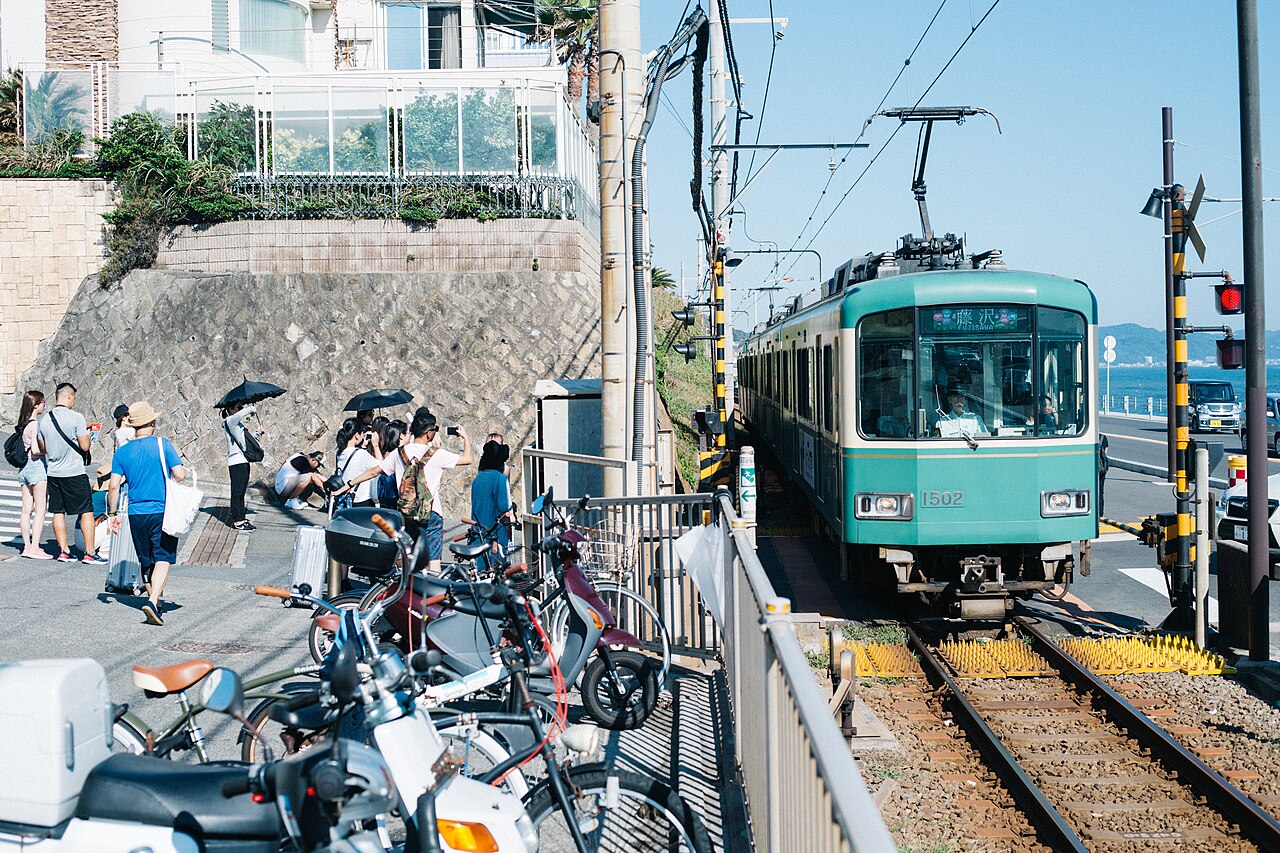 Following in the footsteps of Japanese anime6 real places with how to go and etiquette
Easy station exitElevators, lockers, restrooms, and airports